What most IPL win-probability models miss about today's cricket match
An IPL win probability today cricket match prediction model is a logistic regression over recent innings in the format, with three named inputs and a confidence band. Most public numbers hide all of that. Here is what the model is, what changes the call, and where the public versions usually slip.
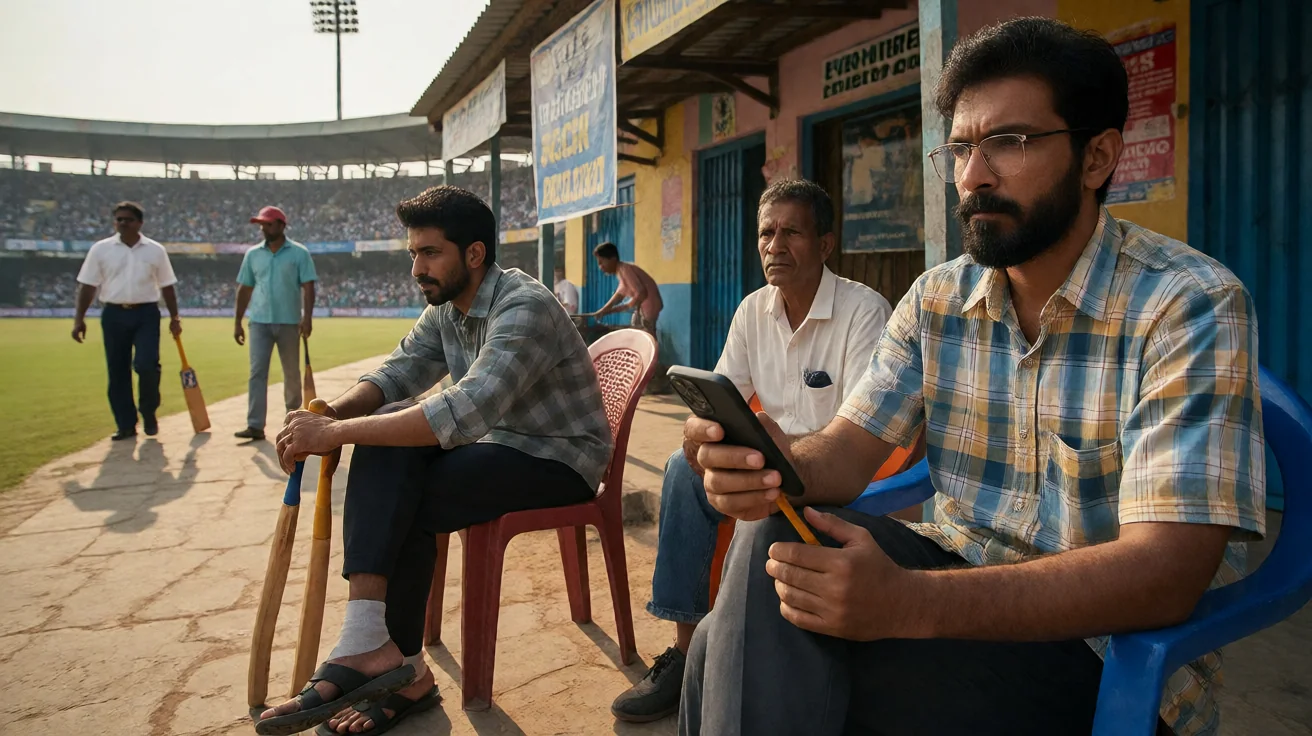
01 What the model actually is
An IPL win probability today cricket match prediction model is a logistic regression run over the most recent innings in the format. The output is a single percentage for each side, with a confidence band on the larger number. The model earns its keep when the band stays narrow across repeated fixtures between the same two sides, and loses it when the inputs are fuzzy or stale.
Three points matter before any reader trusts the number. First, the model is trained on the last 30 completed innings in the format, not on a multi-year history diluted by retirements and squad turnover. Second, the inputs are few on purpose. Third, the model publishes one number per fixture, not per batter, per bowler or per over. Per-player probabilities drift into betting-product language, and that is not what the desk publishes.
The predictions desk on this site runs that exact setup. A reader who lands on the predictions hub sees a single split per fixture, a confidence band on the bigger bar, and a TOO CLOSE TO CALL tag when the two teams sit within two percentage points. The reasoning behind each input is laid out below, in the order the desk actually weights them.
02 The four inputs that move the number
Venue-adjusted runs is the first input. Raw runs at the Wankhede do not transfer to Chepauk or Chinnaswamy without recalibration, because boundary dimensions and bounce shift. The model re-weights each side's last five innings as if they had been played at the upcoming venue. The conversion happens inside the model and is not edited by hand.
Average powerplay score is the second input. The first six overs are the most predictable window of a T20 innings, because the field restrictions are fixed and the new-ball pair is usually the captain's best. The model compares each team's powerplay output over the last five innings to the venue's average. A team that has consistently lost the powerplay gets quietly docked, even when the headline form looks fine.
Captaincy-pressure surrogate is the third input, and the softest of the three. The team that lost its last match tends to play tighter cricket in the next fixture's first six overs. The model captures this as a binary variable: did the team lose last time out, yes or no. The effect is real, it is small, and it is the easiest input to over-read.
Current condition read is the fourth input, used only when a fixture is on the schedule for the day. The model does not retrain on the morning pitch report, but the desk overlays an adjustment when the toss outcome or the dew forecast materially shifts the expected run path. These overlays are explained alongside every published call on the predictions hub.
03 Reading today's conditions before the toss
Two timestamps decide the call for any same-day fixture. The toss, because it sets which side chases under lights. And the dew forecast, because it decides whether the chasing side gets the second-innings compression that has shaped Indian T20 totals for the last decade. A reader who wants to use the model's number honestly should know which way both timestamps are leaning before locking a fantasy team.
The toss read is the easier of the two. IPL captains have publicly preferred to chase at most Indian venues over the last three seasons, except on surfaces flagged dry and tacky in the morning inspection. When the pitch report does not flag dry grass, the default play is bowl first. A captain who calls bat first at a venue where the dew arrives by the twelfth over is making a contrarian call the model will quietly disagree with.
The dew read is harder, because the actual dew point depends on the evening temperature drop and humidity level. The desk uses a simple rule. If forecast humidity at 7:00 PM local time is above 65 percent and the temperature drop after sunset is more than four degrees, expect a wet ball by the twelfth over. Below that, the spinners from the side bowling second keep their grip and the chase becomes a contest of execution.
04 Where most public models slip
Four failure modes show up most often in published IPL win-probability numbers, and each is easy to spot once a reader knows what to look for. The first is undisclosed inputs. A page that prints a 65-35 split without naming the model has given the reader no way to tell whether the number came from a logistic regression, a hand-built heuristic, or a coin flip dressed as analysis. If the inputs are not named, the number is editorial theatre.
The second is stale form. A model that trains on the last 200 innings, or that quietly weights recent seasons against older ones, will underreact to the squad turnover that defines the IPL mid-season. The fix is a 30-innings rolling window. A reader can verify this by comparing the model's last-five form on the players index against the squad list on the teams hub.
The third is venue blindness. A model that does not recalibrate for the upcoming venue produces a number that reads as confident in the headline but misfires by 8 to 12 percentage points at venues with atypical boundary dimensions. The fix is the venue-adjusted runs input, and the sanity check is a side-by-side look at the venue's recent results on the matches hub.
The fourth is over-reading the captaincy surrogate. The team that lost the last match does play tighter in the next fixture's first six overs, but the effect is small. The desk uses it as a tertiary signal only, and only when the two teams are otherwise close on the venue-adjusted-runs input.
05 How to read the desk's call
Use the published split as a starting point, not a closing argument. The desk publishes one number per fixture for a reason. A 55-45 split is closer to a coin flip than to a forecast, and the desk marks it TOO CLOSE TO CALL when the two teams sit within two percentage points.
Cross-check the call against three things. The venue-adjusted form on the players index. The toss read from the desk's morning preview. And the dew forecast at the scheduled start time. When one disagrees with the split, the disagreement is the more useful signal.
Watch the calibration chart that the desk publishes at the end of every league stage. It compares every in-season call to the actual outcome and shows whether the model is over-confident or under-confident. The desk treats it as the only honest test of the model's accuracy.
A note from the editor
Dream11 Zone is an independent editorial desk. We are not the operator of Dream11 and we do not place bets. Real-money fantasy contests are restricted in Andhra Pradesh, Assam, Odisha, Telangana, Sikkim, Nagaland and Tamil Nadu. If you are under 18, do not register. If you are in a restricted state, do not deposit. If you are in a permitted state, deposit only what you can afford to lose and use the platform's deposit limits and self-exclusion tools. Editorial standards at methodology; state rules at is Dream11 legal?; contact at contact.